
Blog
Questions to Ask Before Starting Continuous Glucose Monitoring
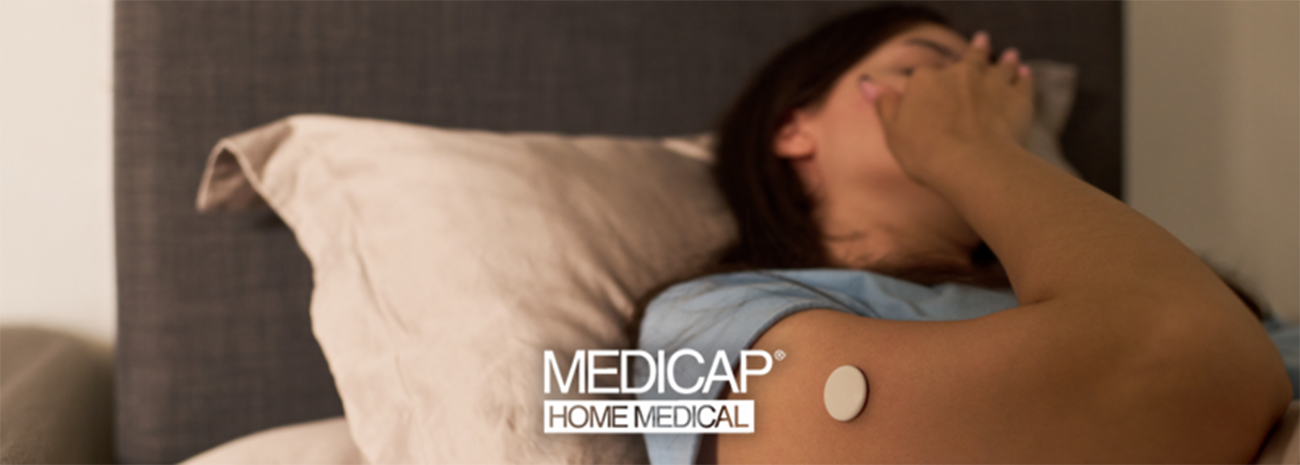
When your healthcare provider mentions a continuous glucose monitor (CGM), it's easy to picture a small sensor and an app. But starting a CGM involves more than that.
You may wonder what the readings mean, how alerts work, whether the sensor will be comfortable, and if your phone will connect. Then there are supplies, insurance, and knowing who to call.
Asking questions before you start can clarify what to expect, help you understand your specific device, and prepare you for training. It can also make ordering and refills easier to follow and help you know where future questions should go.
At Medicap Home Medical, formerly NuCara Home Medical, we help people across Iowa with continuous glucose monitor equipment and supplies. The device you use may depend on your clinical needs, prescription, insurance, compatibility, and availability. Think of this list as a guide for your conversations, not a shopping list.
What Questions Should I Ask Before Starting a CGM?
Questions to ask before starting a CGM include why it’s being recommended, which device your care team is considering, whether it works with your phone or requires a receiver, what training you’ll receive, and how alerts work. You’ll also want to ask when a finger-stick check may be needed, how the sensor fits into daily activities, how supplies and refills work, what your insurance plan covers, and who to call for help.
more
What Do the Numbers on Your CPAP Report Mean?
You open the app on your phone, or someone hands you a printout at a follow-up appointment, and there it is. Hours and minutes. A percentage. Something called events per hour. A leak figure. A pressure number with a decimal point.
None of it comes with a translation, and it’s easy to stare at the screen wondering whether you’re looking at good news or a problem.
You’re not expected to read that report on your own. At Medicap Home Medical, formerly NuCara Home Medical, we hear these questions from continuous positive airway pressure, or CPAP, and BiLevel users every week, and they’re fair ones. This article walks through what common CPAP report numbers generally describe, so the report feels less like a pop quiz and more like a starting point for a conversation.
Reports look different depending on the machine, app, and manufacturer, so yours may show more or fewer details than someone else’s. Device-recorded data also isn’t the same as a clinical sleep study or diagnosis, and it doesn’t replace professional interpretation. Please don’t change a prescribed setting based on anything you read here.
What Do the Numbers on a CPAP Report Mean?
more
A Room-by-Room Guide to Preventing Falls and Staying Independent at Home
For many people, remaining at home is about more than comfort. It’s about maintaining independence, staying connected to familiar surroundings, and continuing daily routines with confidence.
As balance, vision, strength, endurance, or mobility changes, familiar spaces may present new obstacles. The same can happen when someone begins using a cane, walker, or wheelchair or returns home after an illness, injury, hospital stay, or rehabilitation.
A room-by-room review can help you identify where a simple adjustment may be enough and where a more permanent home modification may be worth exploring.
With Falls Prevention Awareness Week taking place September 21 through 25, 2026, it’s a timely opportunity to look at how well each area of your home supports your daily routines.
Home Safety Concerns to Watch for in Every Room
Before looking at individual rooms, consider these common concerns throughout your home:
Poor lighting
Clutter in walking paths
Loose rugs or flooring
Electrical cords
more
Side Sleeper Having CPAP Mask Leaks? Here’s What to Check
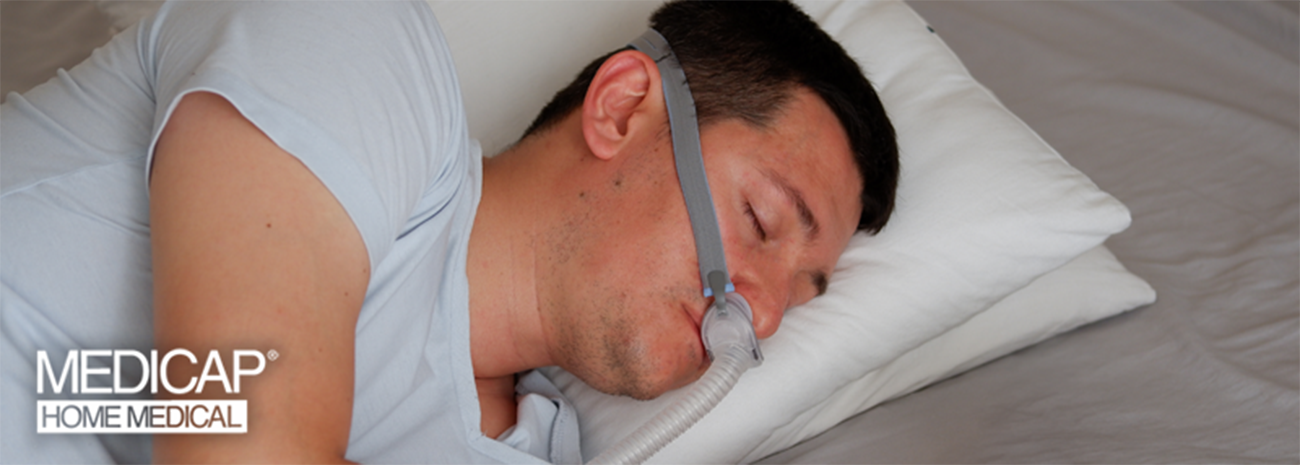
Your CPAP mask fits when you first lie down, but after you roll onto your side, you hear air escaping or feel it blowing toward your eyes. If that sounds familiar, the problem may be less about side sleeping itself and more about how your mask, pillow, straps, cushion, and hose interact when you change positions.
Side sleeping can create unique challenges for your mask seal. Your pillow may press against the cushion, your headgear may shift, or the hose may pull the mask slightly out of place.
Checking each part of your setup can help you identify what may be disrupting the seal. If leaks continue after basic adjustments, Medicap Home Medical, formerly NuCara Home Medical, can help you review your mask fit, worn supplies, and other equipment options.
Contact the Medicap sleep therapy team if you need support.
Why Side Sleepers May Experience More CPAP Leaks
Why does my CPAP mask leak when I sleep on my side?
When you sleep on your side, your pillow can press against your mask and shift it slightly out of position. Even a small change in mask placement may break the seal between the cushion and your skin, allowing air to escape.
more
New to Continuous Glucose Monitoring? What to Expect From Your First CGM
Getting a clear look at your glucose throughout the day can be genuinely helpful. It can also feel like a lot of new information all at once.
If you’ve just started using a continuous glucose monitor, or you’re considering one after talking with your healthcare provider, it’s normal to feel a little overwhelmed by the sensor, app, alerts, and supply process.
Learning the device and starting to recognize patterns takes time, and that’s expected. Nobody masters a CGM on day one.
A CGM won’t make diabetes management effortless. Depending on your CGM system, symptoms, readings, and care plan, you may still need finger-stick checks at certain times. What a CGM can do is provide more information for you and your diabetes care team to review together.
What should you expect when starting a CGM?
During your first days with a continuous glucose monitor, you’ll learn how to use and replace the sensor, view readings, recognize trend arrows and alerts, and keep track of supplies. You’ll also learn which questions should go to your diabetes care team, equipment provider, or device manufacturer.
What Does a CGM Do?
more
Why Does My CPAP Mask Leave Marks on My Face? Fit and Comfort Tips Is this conversation helpful so far?
You peel off your CPAP mask, glance in the mirror, and there they are — red lines along your cheeks, a crease across the bridge of your nose, or tender spots that weren’t there when you went to bed.
It’s a common and frustrating experience. You’re using your prescribed therapy, but you still wake up looking like you slept on your equipment.
Light, temporary impressions from a mask cushion or headgear can happen. However, redness that lingers, tenderness that keeps returning, broken skin, or irritation that gets worse deserves closer attention.
Don’t change or stop your prescribed therapy on your own. If pain, broken skin, swelling, or another concerning symptom makes wearing the mask difficult, contact your healthcare provider promptly for guidance.
Why does a CPAP mask leave marks on your face?
CPAP mask marks commonly happen when the headgear is too tight, the mask is the wrong size or style, the cushion is worn, or pillow pressure shifts the mask while you sleep. Checking the fit, cushion, headgear, and sleeping position can help you identify the possible cause.
WHY A CPAP MASK MAY LEAVE MARKS
Marks usually come down to fit, wear, or nightly habits rather than anything you did wrong.
more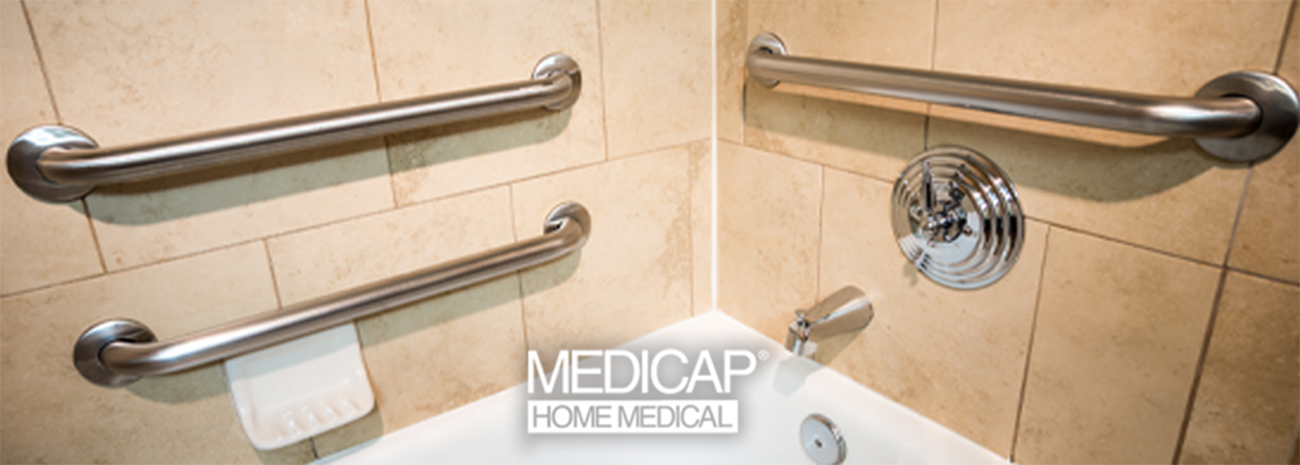
Simple Home Modifications That Can Help You Stay Independent Longer
Most of us feel a deep attachment to the home we know. It holds our routines, our memories, and the small comforts that make daily life feel like ours. Over time, though, the spaces we move through every day can start to feel a little harder to manage as mobility, balance, vision, or daily needs change, even when our love for the place hasn't.
Home modifications for aging in place can help your space continue working for you. Some changes are as simple as improving the lighting or clearing a walking path. Others, such as adding grab bars, widening a doorway, or installing a wheelchair ramp, take a bit more planning.
This kind of planning is what supports aging in place, which simply means remaining in your own home as you grow older. Thinking ahead gives you more time to consider the support, services, and home changes that may help you continue living there comfortably.
What Is a Home Modification?
A home modification is a change to a home's layout, features, or equipment that makes everyday activities easier, safer, or more accessible.
These changes can range from low-cost adjustments, such as moving frequently used items within reach, to more involved projects, such as bathroom remodeling, doorway widening, ramps, or stair lifts.
more
What to Pack for CPAP Travel Without Missing a Thing
Summer travel is supposed to be the fun part. The packing stress? Not so much, especially when you use CPAP or BiLevel therapy and you’re worried you’ll forget the one piece that makes everything work.
But you don’t need a complicated routine to travel well with CPAP. You just need one master checklist, a two-minute “walk out the door” check, and a quick way to handle “uh oh, I forgot something” moments.
At Medicap Home Medical, formerly NuCara Home Medical, we help CPAP users feel confident using their equipment at home and on the road, with personalized support from local sleep consultants.
A QUICK NOTE BEFORE YOU GO
If you’ve traveled with CPAP before, use this post as a fast refresher. If you’re newer and feel nervous, you've got this and we're here to help. Medicap’s (formerly NuCara’s) team supports CPAP users across multiple Iowa locations and Paynesville, Minnesota, so help is closer than you might think if you need it.
CPAP TRAVEL CHECKLIST — WHAT TO PACK
more
Can You Camp with a CPAP Machine? Outdoor Sleep Apnea Tips
If you love camping, cabins, or summer road trips, it’s normal to wonder if CPAP will make things complicated. You might be thinking: What if there’s no outlet? What if it gets dusty? What if the cold night air makes everything wet inside the tube?
Here’s the encouraging truth: many people keep up with CPAP therapy while camping and traveling outdoors — it just takes a little planning and a simple setup that fits your trip style.
At Medicap Home Medical (formerly NuCara Home Medical), the goal is to make sleep therapy feel doable in real life, not perfect on paper. Medicap’s team focuses on friendly, personalized support with sleep consultants who can help you problem-solve before you leave town.
more
NuCara Home Medical Is Now Medicap Home Medical
You may have noticed something different recently. Maybe it was a new logo, a different name on a sign, a piece of mail, or something you saw online.
If so, we want to reassure you right away:
While our name has changed, the care you rely on has not.
As of May 1, NuCara Home Medical officially became Medicap Home Medical.
more
Signs of Sleep Apnea in Older Adults That Families Often Miss
Sleep changes with age. Lighter sleep, earlier wake ups, and occasional fatigue are often accepted as part of getting older. But some changes deserve a closer look, especially when those changes point to disrupted breathing during sleep.
Sleep apnea is common in older adults, yet it’s frequently overlooked because the symptoms don’t always match what families expect. Instead of loud snoring and obvious daytime sleepiness, warning signs often show up as subtle changes in mood, memory, or daily routines.
Recognizing those signs can make a meaningful difference in health, safety, and quality of life.
more
Can Losing Weight Improve Sleep Apnea? What You Should Know
Weight loss comes up often in conversations about sleep apnea. Sometimes it’s framed as a cure. Other times, it’s dismissed as irrelevant once CPAP therapy begins. The reality sits somewhere in between.
Weight can influence sleep apnea severity, but it rarely tells the whole story, and weight loss alone isn’t a reliable solution.
Understanding how weight affects the airway, and how that interacts with CPAP therapy, can help set realistic expectations and avoid disrupting treatment that’s already working.
more
Waking Up Congested with CPAP? Spring Allergy Tips That Actually Help
If you’ve been using your CPAP consistently but suddenly wake up feeling stuffed up, congested, or like you can’t breathe through your nose, spring allergies may be the culprit.
Here in Iowa and across the Midwest, allergy season hits hard. And for CPAP users, that mix of pollen, dry indoor air, and pressurized airflow can make nasal congestion feel worse instead of better.
Luckily, this is common and usually fixable.
Let’s walk through why CPAP congestion happens during allergy season and what you can do to actually sleep comfortably again.
more
Why Does My CPAP Humidifier Run Out of Water Every Night?
If you’ve ever woken up, checked your CPAP machine, and noticed your humidifier chamber is completely empty, you might be wondering: “Why is my CPAP humidifier running out of water overnight? Is something wrong?”
In many cases, this is completely normal.
But there are a few situations where it’s worth taking a closer look. Let’s walk through what’s happening, and what you can do if it’s affecting your comfort.
more
CPAP & BiPAP Education Event + Free Pancake Breakfast (Urbandale, Iowa)
If you use a CPAP or BiPAP, or you’ve been meaning to ask someone one simple question about your sleep therapy, we’d love to see you.
On Tuesday, April 7, NuCara Home Medical in Urbandale is hosting a CPAP and BiPAP education event with a FREE pancake breakfast. It’s an open‑house style morning where you can stop in, talk with our team, and get practical help with the things that can make therapy frustrating (mask fit, leaks, dryness, comfort, supplies, and more).
And yes — everyone is welcome, even if you don’t currently use PAP therapy or you use a different CPAP provider.
more
Why Do I Still Snore with CPAP? Troubleshooting Tips
You finally committed to CPAP therapy. You’re wearing your mask, turning the machine on, and sticking with it night after night, but even after all that, someone still tells you you’re snoring. Or maybe you wake yourself up with it.
If that sounds familiar, you’re not alone. During Sleep Awareness Month, it’s worth clearing up a common misconception: using CPAP doesn’t automatically mean snoring disappears overnight or forever.
When snoring continues, it’s usually a sign that something in your setup or routine needs attention, not that CPAP therapy has failed.
Luckily, most reasons people snore with CPAP are fixable. Below, we’ll walk through the most common causes of snoring despite CPAP use and what you can do to get your therapy back on track.
more
CPAP Side Effects You Shouldn’t Ignore in 2026
When something feels “off” with your therapy, your body might be trying to tell you something.
more
Understanding Your AHI Score: What’s Normal and When to Worry
If you’ve recently been diagnosed with sleep apnea or started CPAP therapy, you may have seen a number called the AHI on your device or sleep study report. But what exactly is AHI, and what does it mean for your sleep and health?
Let’s break it down in real terms, no complicated jargon, no scare tactics, just the facts, with a few real-life tips to help you feel more confident about your therapy.
more
CPAP Equipment Checklist for a Better Night’s Sleep in 2026
A new year is a natural reset point, and the perfect time to refresh and re-evaluate your CPAP therapy. Whether you’re a few months into treatment or you’ve been using CPAP for years, your equipment needs regular attention to stay comfortable, effective, and frustration-free.
This quick, practical CPAP checklist will help you identify worn-out CPAP supplies, replace what’s no longer working, optimize your comfort and air quality, and help you start 2026 with better sleep and fewer disruptions.
more
Is Your CPAP Setup Helping or Hurting Your Sleep? Quick Fixes to Start 2026 Right
If you’re new to CPAP therapy, the first few weeks can feel equally hopeful and overwhelming. You want better sleep, but what if the mask feels uncomfortable, the air feels too strong, or you’re waking up more tired than before? The truth is that small CPAP issues can make a big difference in how rested you feel.
The good news: most of these small CPAP issues are easy to fix.
This guide will help you troubleshoot common problems, fine‑tune your setup, and start 2026 feeling more confident and rested than ever.
more
7 Smart Tips for Traveling with Your CPAP for the First Time
Yes, you can fly, stay in a hotel, and still stick with your therapy.
Travel season is here, and if you use a CPAP or BiLevel machine, you might be wondering: “Can I travel with this? Will I sleep okay? What if something goes wrong?” Luckily, travel doesn’t have to throw you off your sleep therapy. With a little prep, you can take your CPAP with you and continue sleeping well away from home.
At NuCara Home Medical, we’re your trusted partner for CPAP supplies, machines, and support. Whether this is your first trip using CPAP away from home or you’re a seasoned traveler, these seven travel‑ready tips will help you stay covered and comfortable.
more
CPAP & Cold / Flu Season: What to Do When You’re Sick
When the calendar flips into December, the cold and flu bugs start going around, and if you’re using a CPAP or BiLevel machine for sleep apnea, you might suddenly feel extra worried. “Can I still use my machine when I’m congested or coughing?” “What about cleaning my mask or replacing filters after I’ve been sick?” These are real questions many users ask, so let’s talk about them.
At NuCara Home Medical, we want you to be confident using your therapy even when you’re under the weather. Below are practical tips, expert‑backed advice, and parts where you can ask for help.
more
Still Waking Up Tired with CPAP? 5 Common Reasons and What You Can Do
If you’ve been faithfully using your CPAP machine but still wake up feeling groggy, drained, or just not yourself, you’re not the only one. Many people with sleep apnea search for answers when CPAP therapy doesn’t deliver the refreshing mornings they were promised.
On the bright side, there are usually fixable reasons behind that lingering fatigue, and NuCara Home Medical is here to help you troubleshoot.
Let’s walk through five of the most common reasons CPAP users still wake up exhausted, and what you can do to start feeling truly rested again.
more
The Beginner’s Guide to CPAP Humidifiers: Do You Really Need One?
If you’re just starting CPAP therapy, you might be wondering what a humidifier does, and if it’s something you really need. The truth is, a CPAP humidifier can make a big difference in how comfortable (and successful) your therapy is.
In this beginner-friendly guide, we’ll explain what CPAP humidifiers are, how they work, and why many people find them helpful, especially early on in their sleep apnea treatment.
more
Have You Met Your Deductible? Now’s the Best Time to Stock Up on CPAP Supplies
If you’re using CPAP therapy for sleep apnea, you know how important supplies like masks, filters, tubing, and humidifier chambers are. What many people don’t realize: once you’ve met your health insurance deductible or out‑of‑pocket max for the year, replacing supplies or even getting a new CPAP machine can cost much less, or sometimes nearly nothing out of pocket.
At NuCara Home Medical, we’re here to help you understand how insurance works, what supplies you likely need, and how to take advantage of your benefits before the year ends.
more
Join a Free CPAP Sleep Clinic Near You This Fall with NuCara
Do you use a CPAP or BiPAP machine? Whether you’re new to sleep therapy or have been at it for years, NuCara’s CPAP Sleep Clinics are a great way to get help, ask questions, and feel more confident about your care.
This fall, we’re hosting free in-person clinics across Iowa to support PAP users and their families. These events are open to the public, no registration needed, and perfect for anyone who wants to breathe easier and sleep better.
more
6 CPAP Accessories That Will Actually Make Your Sleep More Comfortable
Starting CPAP therapy can be life-changing, but it’s not always easy, and using a CPAP machine doesn’t always feel natural right away. If you’re new to therapy, small things like tangled tubing, dry mouth, or red marks from your mask can make it harder to stick to your routine and want to continue therapy.
Fortunately, there are simple accessories that are designed to solve these problems. At NuCara Home Medical, we carry tools designed to make your CPAP experience more comfortable and make therapy something you want to continue.
Here are 6 comfort-boosting accessories that many CPAP users don’t know about (but should) or aren’t using:
more
Back-to-School, Back to Sleep: 7 Tips for Building a Healthy Sleep Routine for the Whole Family
As summer fades away and the school year kicks off, it’s the ideal moment to refresh your family’s routine, especially when it comes to sleep!
With early bus pickups, busy schedules, after-school activities, and work-related stress, getting everyone back on track can feel like a challenge. But good sleep isn’t just nice to have; it’s essential. It affects everything from our mood and focus to our immune system and ability to learn.
Whether you’re a parent trying to get your kids back into a bedtime rhythm or someone managing CPAP therapy, these simple tips can help everyone rest a little easier this fall.
more
Is It Time to Replace Your CPAP Mask? 5 Signs You Shouldn't Ignore
If you’ve been using a CPAP machine for a while, you know how important it is for improving your sleep and overall health. But what many CPAP users might overlook is that the CPAP mask is just as vital as the machine itself, and it doesn’t last forever.
A worn-out mask can cause air leaks, discomfort, skin irritation, and even make your therapy less effective. So, how can you tell when it's time to swap out your CPAP mask?
At NuCara Home Medical, we help sleep apnea patients daily who are dealing with masks that have seen better days. Below, we’re breaking down five clear signs it’s time to replace your CPAP mask, plus how NuCara can help you find the perfect fit. Let’s jump in.
more
Waking Up to Water in Your CPAP Mask? Here’s How to Stop Rainout & Sleep Better
If you’ve ever woken up to the uncomfortable surprise of water in your CPAP mask or tubing, you’re not alone, and you’re not doing anything wrong. What you’re experiencing is called CPAP rainout, and it’s a common issue for many people using CPAP or BiLevel therapy.
Luckily, it’s a fixable problem. At NuCara Home Medical, we help patients every day troubleshoot PAP therapy discomforts like this and get back to sleeping peacefully.
Today, we’ll explain what rainout is, why it happens, and most importantly, how you can stop it so you can wake up feeling refreshed, not soaked.
more
CPAP VS. BiLevel: What’s the Difference and Which Therapy Is Right for You?
If you’ve recently been diagnosed with sleep apnea, or you’re struggling with your current treatment, you may be wondering what the difference is between CPAP and BiLevel (also called BiPAP) therapy.
Both therapies fall under the umbrella of PAP (Positive Airway Pressure) treatment and are highly effective for managing sleep-disordered breathing. But they work in slightly different ways and are used for different patient needs.
At NuCara Home Medical, we’re here to help you understand the basics so you can make informed decisions about your sleep therapy—and feel confident with your equipment and care plan.
Let’s explore the differences between CPAP and BiLevel therapy, how each one works, and which option might be recommended for you.
more
Summer Heat and Sleep Apnea: 5 Tips for Staying Cool and Comfortable
Trying to stay asleep during the summer heat is already difficult enough. It becomes even more difficult when you’re trying to deal with CPAP sleep therapy on top of it. Heat and humidity can affect your sleep quality, especially when you use a CPAP machine.
Here at NuCara Home Medical, we understand how important sleep is and how difficult it can be when you use a CPAP machine. That’s why we’ve come up with a few helpful tips to help you beat the heat this summer and get restful sleep all summer long.
more
Traveling with Sleep Apnea: 5 Tips for a Hassle-Free Trip
If you suffer from sleep apnea, the idea of having to travel can feel overwhelming. However, taking a bit of time now to prepare for your trip can allow you to enjoy the trip without compromising your health.
No matter where you’re going – whether it’s a cross-country flight or a weekend road trip – bringing your CPAP machine with you is going to be critical in maintaining your sleep therapy.
Follow these five simple tips to protect your sleep—no matter where you’re headed.
more
The Overlooked Link: How Sleep Apnea Impacts Your Mental Health (And What You Can Do About It)
May is Mental Health Awareness Month, and it’s a great time to talk about something that often gets overlooked—the connection between sleep and mental health, especially when it comes to sleep apnea.
If you’ve been feeling extra tired, anxious, or low lately—and you also deal with sleep apnea—you’re not alone. There’s a growing body of research showing that untreated or poorly managed sleep apnea can take a serious toll on your emotional and mental well-being.
At NuCara Home Medical, we believe in supporting the whole person—not just delivering CPAP supplies. That means helping you better understand your condition and how it may be affecting other parts of your life, including your mood, focus, and energy levels.
more
Debunked! 7 Common Sleep Apnea Myths and the Truth Behind Them
If you or someone you love has been diagnosed with sleep apnea—or suspects they may have it—you’ve probably come across a lot of information online. The problem? Not all of it is accurate.
At NuCara Home Medical, we talk to people every day who are struggling with sleep apnea or feeling overwhelmed about starting CPAP therapy. Many of them are basing their decisions on common myths that can make sleep apnea seem scarier or more limiting than it really is.
Let’s clear the air. Here are seven of the most common sleep apnea myths—and the real truth behind them.
more
Allergies & Sleep Apnea: 4 Tips for Better Sleep Quality This Spring
Ahh, spring is here, bringing warmer weather, blooming flowers—and for many, seasonal allergies! If you have sleep apnea, allergy season can make it even harder to get a good night’s rest. Nasal congestion, sneezing, plus sinus pressure can disrupt your breathing, worsening sleep apnea symptoms and making CPAP therapy more challenging.
At NuCara Home Medical, we want to help you take control of your sleep. Keep reading to learn how allergies affect sleep apnea and what you can do to minimize their impact.
more
5 Essential Tips for Cleaning Your CPAP Equipment
If you suffer from sleep apnea, you know how important it is to do everything you can to manage your condition. One of the most vital parts of that process is ensuring that your CPAP equipment stays clean. This not only keeps you from getting sick, but it also prolongs the life of your equipment, saving you both time and money. If you’re new to CPAP equipment, here’s a quick guide to keeping your CPAP equipment clean and in peak condition.
more
Skipping CPAP Therapy? Here's What Can Happen
If you've been diagnosed with sleep apnea, you know that CPAP (Continuous Positive Airway Pressure) therapy is a common treatment option. However, some people may be tempted to skip CPAP therapy, thinking that it's not necessary or that it's too inconvenient. But skipping CPAP therapy can have serious consequences, both in the short-term and long-term. Keep reading as we explore what can happen if you skip CPAP therapy and why it's essential to stick with your treatment plan.
more
8 Tips to Achieve a Restful Night's Sleep with Sleep Apnea
March is Sleep Awareness Month, a perfect time to focus on improving your sleep quality, especially if you have sleep apnea. Sleep apnea can significantly impact your rest, but with the right strategies, you can enjoy a more restful night. Here are some actionable tips to help you sleep better:
more
How Sleep Apnea Can Affect Your Blood Pressure
February is American Heart Month, a time to focus on cardiovascular health and raise awareness about the risks of heart disease. Did you know that sleep apnea can significantly impact your blood pressure, increasing your risk of heart disease? Let's delve deeper into this important connection.
more
The CPAP Dilemma: 7 Ways to Beat CPAP Dry Mouth
For millions of people around the world, Continuous Positive Airway Pressure (CPAP) therapy is a lifesaver. It helps alleviate the symptoms of sleep apnea, allowing individuals to breathe easily and sleep soundly. However, one of the most common complaints about CPAP therapy is dry mouth. At NuCara Home Medical, we understand the frustration and discomfort that comes with a dry mouth, and we're here to help you overcome it.
more
How to Transition Your PAP Supplies to NuCara
If you’re looking for a reliable and convenient source for your CPAP supplies, transitioning to NuCara Home Medical is a smart choice! With a commitment to quality and customer satisfaction, NuCara makes it easy to manage your sleep apnea therapy. This blog will guide you through the process and highlight the benefits of choosing NuCara for your CPAP needs.
more
New Year, New You: Starting CPAP Therapy In 2025
As we step into 2025, January is the perfect time to prioritize your health and well-being. If you’ve been diagnosed with sleep apnea, starting CPAP therapy can be a life-changing decision. This guide will provide you with essential information on beginning CPAP therapy, tips for your first night, and what you can look forward to as you embark on this journey.
more
Stay on Track with Your CPAP Therapy: The Importance of Regular Supply Replacements
Are you using a CPAP or Bilevel machine to manage your sleep apnea? If so, you know how important it is to stay on top of your treatment. But did you know that regular replacement of your CPAP or Bilevel supplies is crucial to ensuring the effectiveness of your therapy? Let’s get into why and take a look at a typical replacement schedule.
more
Understanding Sleep Apnea: What You Need to Know
Are you tired of waking up feeling tired? Do you experience loud snoring, pauses in breathing, or gasping for air during sleep? You may be one of the millions of Americans affected by sleep apnea. This guide will take you through the basics of sleep apnea, its symptoms, how it affects your overall health and well-being, and the various treatment options available.
more
Welcome to our new blog!
As part of our commitment to providing you with the best products and customer service, we've established this blog to keep you up-to-date. Here, you'll find updates on new products and/or services, industry news, and tips and advice to help you live better!
We value all of our customers and hope that you find the information in our blog to be both informational and helpful. Be sure to check back regularly for updates!
From all of us at NuCara Home Medical, we appreciate your business and look forward to seeing or hearing from you soon!
more
New Year Resolution: How much physical activity do I need to stay healthy?
According to the Centers for Disease Control and Prevention, only 21% of adults (about 1 in 5) meet the 2008 Physical Activity Guidelines. Studies show that engaging in physical activity can improve health outcomes. People who are physically active tend to live longer and enjoy better health.
Health Benefits of Physical Activity
* Lowers risk for heart disease
* Reduces risk for type 2 diabetes
* Lowers risk for obesity and high cholesterol
* Reduces risk for stroke
* Reduces risk for depression
Physical activity as defined by the Physical Activity Guidelines for Americans, is anything that gets your body moving. There are two forms of physical activity that are recommended to be performed weekly to improve your general well being –AEROBIC & STRENGTH TRAINING.
AEROBIC EXERCISE: Aerobic exercise, also known as “cardio” requires the pumping of oxygenated blood by the heart to deliver oxygen to working muscles. The Department of Health Services recommends at least 150 minutes of moderate aerobic activity or 75 minutes of vigorous activity a week. The total weekly time requirement can be spread out during the course of the week.
Examples of MODERATE aerobic exercise:
more
HOME MEDICAL LEADER CELEBRATING 150 YEARS
NuCara’s Home Medical Equipment division is celebrating its 150th anniversary providing patient care to Iowan’s. Alvin Hammer started his first pharmacy in Des Moines, Iowa, in 1872. The Hammer family then entered into the medical supply industry in 1976. The company then grew to become one of the premier home medical companies in the state of Iowa. In 2017, Hammer Medical Supply was acquired by NuCara, bringing the total number of home medical locations to 11. In addition to these locations, the company also boasts over 30 retail pharmacy locations.
Serving both the pharmacy and home medical fields allows NuCara to offer its patients a more robust line of services allowing them to remain in their homes as long and as comfortably as possible. NuCara’s services can be felt across the state of Iowa and into Minnesota, North Dakota and even down in Central Texas.
As its mission states, NuCara is passionately committed to providing diverse pharmacy and other healthcare products and services, emphasizing excellence, innovation and creativity for the benefit of its patients.
NuCara continues to be innovative when it comes to expansion in the healthcare area. CEO Brian Wegmann says, “Our goal is to continue to listen to our patients when it comes to the ever-evolving needs in healthcare and see what we can do to fill that gap.”
more