
Why Sleep Apnea and Type 2 Diabetes Often Occur Together
If you've been managing type 2 diabetes for a while, you know the drill. You check your numbers, take your medication as prescribed, and keep your appointments. But you still wake up feeling like you barely slept. Maybe there’s a dull headache most mornings, or your spouse has mentioned that your snoring stops and starts in a way that worries them.
It's easy to blame it on a busy life or getting older, but sleep apnea and type 2 diabetes often happen together, and many people don't realize the two are connected.
This connection is real, but it's complex, so having one doesn't mean you also have the other. Shared risk factors explain part of it, and researchers are still learning about the rest. Sleep apnea needs a proper evaluation by a doctor, and decisions about diabetes belong with your diabetes care team.
This article walks through what's known, so you can bring better questions to those conversations.
What Is Obstructive Sleep Apnea?
Obstructive sleep apnea, or OSA, happens when the airway repeatedly narrows or closes during sleep. Each time that happens, breathing becomes shallow or pauses for a moment. Those interruptions can lower oxygen levels and pull you out of deeper sleep, often without you ever remembering it.
Common symptoms can include loud snoring, pauses in breathing that someone else notices, gasping or choking, morning headaches, dry mouth, daytime sleepiness, and trouble concentrating.
The National Heart, Lung, and Blood Institute’s sleep apnea guidance notes that diagnosis may involve a sleep study. Your healthcare provider can decide whether testing makes sense for you.
What Is Type 2 Diabetes?
With type 2 diabetes, the body doesn't use insulin effectively. Insulin helps move glucose, or sugar, from the blood into the cells for energy. When that process doesn't work well, glucose can build up in the blood.
Type 2 diabetes is diagnosed and managed through clinical care. Depending on the person, a care plan may include medication, insulin, nutrition, physical activity, glucose monitoring, or other strategies your diabetes care team recommends.
How Are Sleep Apnea and Type 2 Diabetes Connected?
Sleep apnea and type 2 diabetes often show up together. Part of the reason is that they share some of the same risk factors. In other words, some of the things that can raise a person’s chance of developing sleep apnea can also raise their chance of developing type 2 diabetes.
But that’s not the whole story. Obstructive sleep apnea repeatedly interrupts breathing and breaks up sleep throughout the night. These disruptions can affect how well the body uses insulin, the hormone that helps move sugar from the blood into the cells for energy. Over time, this may make blood sugar harder to manage.
That doesn’t mean sleep apnea directly causes type 2 diabetes, or that everyone with diabetes has sleep apnea. The relationship is different for each person. It’s also important to remember that sleeping poorly because of stress, pain, or another disruption isn’t the same as having sleep apnea. A healthcare provider can review your symptoms and determine whether a sleep evaluation makes sense.
Factors the Conditions Have in Common
Sleep apnea and type 2 diabetes have several risk factors in common, including:
- Older age
- Higher body weight
- Family history and genetics
- Neck, jaw, or airway anatomy
- Certain related health conditions
These factors don’t carry the same weight for every person or affect both conditions in exactly the same way.
Weight often gets the most attention, but it isn’t the only explanation for either condition. People of many different body sizes have sleep apnea, sometimes because of the shape of their jaw, airway, or neck.
Risk factors also aren’t diagnoses. You don’t need every risk factor to have either condition, and having several doesn’t mean you have both.
Signs Worth Discussing With a Healthcare Provider
If you have type 2 diabetes, or you're caring for someone who does, these signs are worth bringing up at your next appointment:
- Loud, ongoing snoring
- Pauses in breathing that someone else notices
- Gasping or choking during sleep
- Morning headaches
- Waking up with a dry mouth
- Ongoing daytime sleepiness
- Trouble concentrating
- Sleep that doesn't feel refreshing, even after enough time in bed
- Waking up often during the night
Family members are often the first to notice these patterns. Your healthcare provider is the right place to start if you're wondering whether any of them point to sleep apnea.
Have Questions About CPAP or CGM Equipment?
Medicap Home Medical, formerly NuCara Home Medical, can help with equipment, supplies, and refills.
What Role Does CPAP Play When Someone Has Both Conditions?
Continuous positive airway pressure, or CPAP, is prescribed to treat sleep apnea. It delivers air through a mask to help keep your airway open while you sleep. BiLevel devices work in a similar way, using different pressures when you breathe in and out. Neither one is a diabetes treatment.
Researchers are still studying whether treating sleep apnea with CPAP affects blood sugar. So far, the results have been mixed. Some studies have found small changes, while others haven’t found a clear effect.
The main takeaway is simple: Use CPAP as prescribed to treat sleep apnea, not as a replacement for diabetes care.
Using CPAP consistently can make it easier to get the full benefit of your prescribed sleep therapy. A comfortable mask and supplies that are in good condition may also make it easier to stick with treatment each night.
If you’re due for new cushions, filters, or tubing, Medicap’s CPAP resupply program can help you review your replacement-supply options.
Please don’t change your diabetes medication, insulin, or care routine because you’ve started CPAP. Questions about glucose, A1C, or medication belong with your diabetes care team.
How Does a CGM Fit Into the Picture?
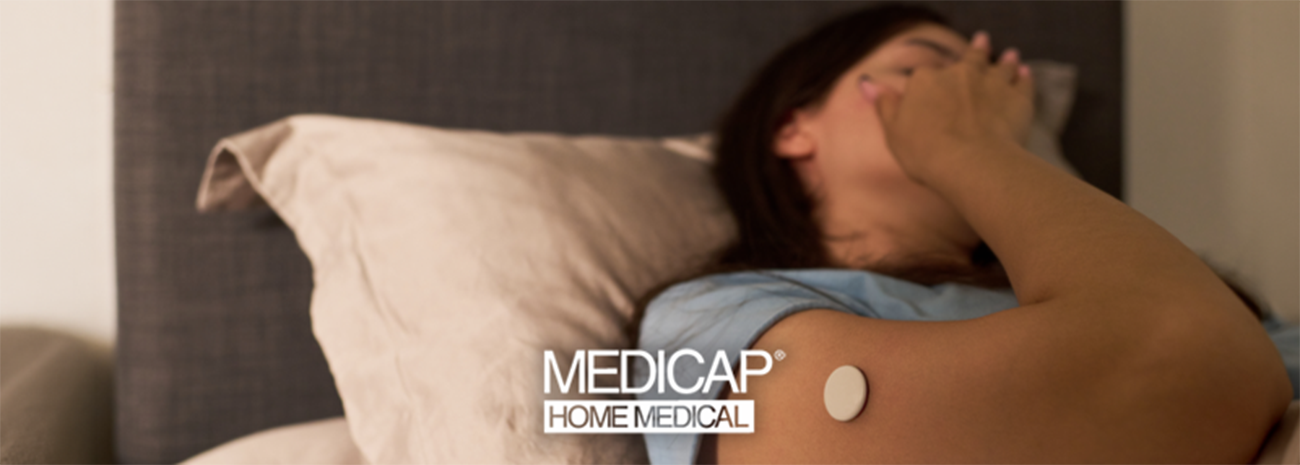
A continuous glucose monitor, or CGM, uses a small sensor to estimate glucose throughout the day and night. It can help you and your diabetes care team review glucose patterns over time, including overnight.
A CGM doesn’t diagnose sleep apnea, though. Its readings shouldn’t be used to decide whether you’re having breathing interruptions during sleep or whether sleep apnea is responsible for changes in blood sugar.
If you notice overnight glucose patterns that concern you, share them with your diabetes care team. If you also have sleep symptoms, mention those separately to your healthcare provider.
Medicap can help with CGM equipment, ordering, eligible refills, and supplies. If you already use a CGM, you can request CGM supply refills online.
Who Should I Call?
When you’re managing both conditions, it helps to know where each question goes.
Contact Your Sleep Care Provider About
- Possible sleep apnea symptoms
- Sleep testing and diagnosis
- Understanding your therapy results
- Prescribed pressure settings
- Symptoms that continue despite treatment
Contact Your Diabetes Care Team About
- Glucose readings and target ranges
- Medication or insulin
- A1C
- Treatment changes
- Interpreting CGM trends
Contact the Medicap Team About
- CPAP or BiLevel equipment
- Mask fit
- PAP supplies and CPAP resupply
- CGM equipment
- CGM supplies and eligible refills
- Finding the right equipment or manufacturer resource
Not sure which category your question falls into? You can contact the Medicap team, and we’ll help you figure out where to start. You can also find a local Medicap Home Medical location.
Get Local Support for CPAP and CGM Equipment
Whether you need help with a PAP mask, replacement supplies, or CGM equipment, the Medicap team can explain the ordering process and help connect you with the appropriate resource.
Questions About Sleep Apnea and Type 2 Diabetes
Is sleep apnea common in people with type 2 diabetes?
Yes. Sleep apnea is common among people with type 2 diabetes, although estimates vary by study and population. Having type 2 diabetes doesn’t mean you have sleep apnea. A healthcare provider can help decide whether an evaluation makes sense for you.
Can sleep apnea affect blood sugar?
Research has linked obstructive sleep apnea and disrupted sleep with changes in how the body uses insulin and manages blood sugar. The relationship is complex and can vary by person. Questions about your glucose readings belong with your diabetes care team.
Can type 2 diabetes cause sleep apnea?
The conditions share several risk factors and often occur together. Researchers are still studying how they influence each other, so it isn’t accurate to say that type 2 diabetes directly causes sleep apnea.
What symptoms of sleep apnea should I discuss with my doctor?
Mention loud, ongoing snoring, breathing pauses someone else notices, gasping or choking during sleep, morning headaches, dry mouth, daytime sleepiness, trouble concentrating, frequent waking, or sleep that doesn’t feel refreshing.
Does CPAP treat type 2 diabetes?
No. CPAP is prescribed to treat sleep apnea. Studies on whether CPAP affects glucose control have produced mixed results. Use CPAP as prescribed for sleep apnea, and don’t change your diabetes medication or care plan without your diabetes care team.
Can a CGM detect sleep apnea?
No. A CGM estimates glucose throughout the day and night, but it doesn’t diagnose sleep apnea or detect breathing interruptions. If you have symptoms of sleep apnea, talk with your healthcare provider about an evaluation.
Who should I call if I have both CPAP and CGM questions?
Contact Medicap for CPAP and CGM equipment, mask fit, supplies, and refill questions. Contact your sleep care provider about symptoms, diagnosis, prescribed settings, or therapy results. Contact your diabetes care team about glucose readings, medications, insulin, or treatment decisions.
This article is for general educational purposes and doesn’t replace medical care. Contact your healthcare provider about sleep apnea or diabetes symptoms, diagnosis, glucose readings, medications, insulin, or treatment decisions. Contact your home medical equipment provider for CPAP, BiLevel, CGM equipment, or supply questions.