
Most of us feel a deep attachment to the home we know. It holds our routines, our memories, and the small comforts that make daily life feel like ours. Over time, though, the spaces we move through every day can start to feel a little harder to manage as mobility, balance, vision, or daily needs change, even when our love for the place hasn't.
Home modifications for aging in place can help your space continue working for you. Some changes are as simple as improving the lighting or clearing a walking path. Others, such as adding grab bars, widening a doorway, or installing a wheelchair ramp, take a bit more planning.
This kind of planning is what supports aging in place, which simply means remaining in your own home as you grow older. Thinking ahead gives you more time to consider the support, services, and home changes that may help you continue living there comfortably.
What Is a Home Modification?
A home modification is a change to a home's layout, features, or equipment that makes everyday activities easier, safer, or more accessible.
These changes can range from low-cost adjustments, such as moving frequently used items within reach, to more involved projects, such as bathroom remodeling, doorway widening, ramps, or stair lifts.
Not every home needs a major renovation. For many people, a handful of small, intentional changes make a real difference in day-to-day life.
Simple Changes You Can Make Throughout the Home
Some of the most helpful home accessibility improvements cost very little and take almost no time. They focus on making your everyday paths clearer and your most-used items easier to reach. A good place to begin is with the areas you use most often and the paths you travel throughout the day.
Consider these changes:
Improve lighting so stairs, thresholds, hallways, and changes in flooring are easier to see.
Clear frequently used walking paths so there’s enough room to move comfortably or use a cane, walker, or wheelchair.
Secure or remove loose rugs and repair raised or loose carpet edges.
Organize or tuck away cords so that they don't cross common walking areas.
Place everyday items within comfortable reach to reduce unnecessary bending, stretching, or climbing.
Rearrange furniture to create wider, more comfortable spaces to walk through.
Add stable seating in places where sitting down to rest, dress, or complete a daily activity would be helpful.
Use contrasting colors so steps, counters, switches, and surfaces are easier to see.
The National Institute on Aging’s aging-in-place guidance recommends planning ahead and considering how well your home may meet your needs as they change.
These adjustments may improve comfort and reduce certain obstacles, but no individual change can prevent every fall or injury.
Larger Accessibility Modifications to Consider
When daily routines call for more support, larger accessibility modifications can help sustain independence over time. These are often worth exploring with a professional who can look at both you and your home.
Depending on the person and the home, options may include:
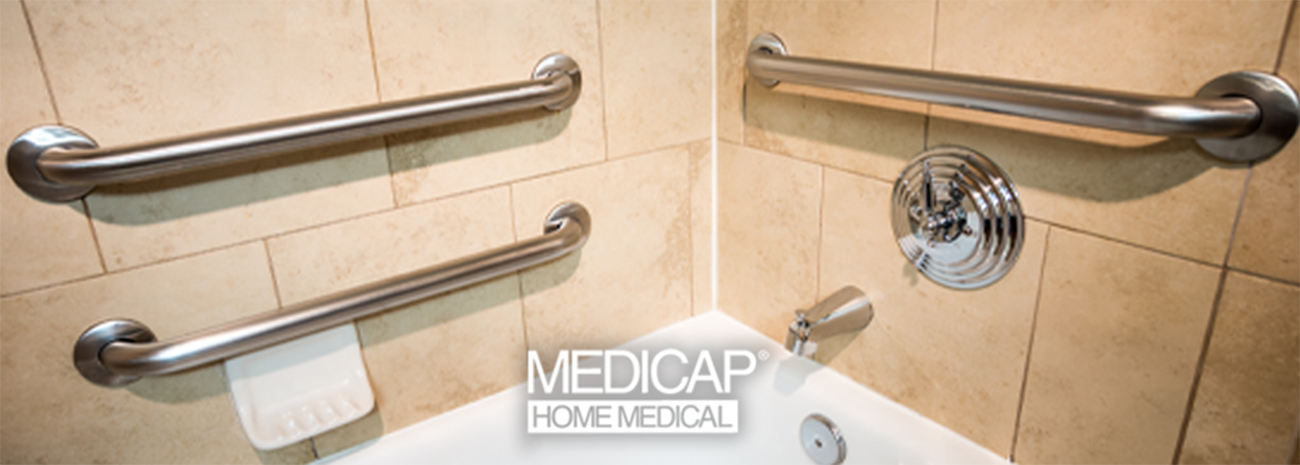
Grab bars near the toilet, tub, or shower
Handrails along stairways and hallways
Partial or complete bathroom modifications
No-threshold or roll-in showers
Wheelchair-accessible ramps and lifts
Threshold adjustments at entrances and doorways
Interior or exterior doorway widening
Accessible kitchen updates
Stair lifts or chair lifts
Wider pathways for a walker or wheelchair
Medicap Home Medical offers services that include accessible bathroom modifications, ramps and lifts, doorway widening, accessible kitchen remodeling, handrails, grab bars, and stair lifts.
There's no single "right" modification, because the best choices depend on the person, their daily habits, and the layout of the home. What helps one household beautifully may not be the priority for another.
Could Your Home Work Better for Your Daily Routine?
Medicap Home Medical, formerly NuCara Home Medical, offers home accessibility solutions for entrances, bathrooms, stairways, kitchens, and other areas of the home.
Explore Home Modification Services
Signs Your Home May Need to Work Differently for You
Sometimes the fit between a person and a home shifts gradually, and it can be easy to adjust without noticing. Paying attention to a few patterns can help you decide when a change might bring more comfort.
You or a family member may notice:
Avoiding certain rooms or levels of the home
Finding it harder to enter or leave the house
Holding onto furniture or walls while moving around
Feeling less steady or comfortable in the bathroom
Hesitating before using stairs
Having trouble reaching frequently used items
Needing more help with everyday activities
Struggling to make room for a walker or wheelchair
Family members noticing barriers that weren’t a concern before
These signs aren’t a judgment about someone’s abilities. They’re information that can help you decide whether the home needs to work differently for the people living in it.
Start With Your Daily Routines
A helpful way to plan is to walk through a typical day and notice where things feel harder than they used to. Real routines often reveal the most meaningful changes.
Questions to Ask as You Walk Through Your Home
Can I enter and leave without struggling with steps or thresholds?
Is there enough room to use my cane, walker, or wheelchair?
Can I move comfortably between the rooms I use most?
Can I bathe, dress, prepare meals, and get into bed comfortably?
Can I reach the items I use without climbing, bending, or stretching?
Do I avoid certain rooms because they are difficult to access?
Are stairs or narrow hallways limiting where I can go?
Would a handrail, grab bar, ramp, or other accessibility feature make a daily task easier?
This process can help you move beyond a general feeling that something is difficult and identify the specific area or routine causing the problem.
If mobility equipment is part of your current or future needs, Medicap also provides power and complex rehab services. Our local team works with patients, healthcare professionals, and Assistive Technology Professionals to evaluate mobility, seating, and equipment needs.
Not Sure Where to Begin?
Tell the Medicap team which parts of your home have become harder to navigate. We can explain available home modification options and help you understand what the next step may look like.
Local Help With Home Accessibility Modifications
Medicap Home Medical helps people across Iowa make their homes easier to use, both inside and outside.
Medicap is a member of the Accessible Home Improvement of America Association. Our team includes Certified Environmental Access Consultants who help plan and complete home changes based on each person’s needs, goals, and living space.
Planning a home modification may also involve your doctor, occupational therapist, physical therapist, mobility specialist, contractor, or another professional. Medicap can work with the people involved in your care to help make sure the changes fit your needs.
You can also explore our full range of home medical equipment and support, including mobility equipment, respiratory care, complex rehabilitation, and home accessibility services.
Questions Families Ask About Home Modifications
What are home modifications?
Home modifications are changes to a home’s layout, features, or equipment that make everyday activities easier, safer, or more accessible. They may range from better lighting and furniture placement to accessible bathrooms, ramps, and widened doorways.
What are the easiest ways to make a home more accessible?
Common starting points include improving lighting, clearing walking paths, securing loose rugs, moving cords, and placing frequently used items within comfortable reach.
What types of home modifications does Medicap Home Medical provide?
Medicap’s services include bathroom modifications, roll-in and no-threshold showers, grab bars, handrails, wheelchair-accessible ramps and lifts, doorway widening, accessible kitchen remodeling, and stair lifts. Available options depend on the home and the individual’s needs.
How do I know which changes would help me most?
Start by identifying the daily activities or areas of the home that have become difficult to use. When individual mobility, function, or safety is a concern, an occupational therapist, physical therapist, physician, or another qualified professional can help assess your needs.
Can a home be modified for a walker or wheelchair?
Home modifications may create additional room for mobility equipment. Depending on the space, this could include rearranging furniture, widening paths or doorways, adjusting thresholds, or adding an accessible entrance.
Are home modifications only for older adults?
No. People of many ages and abilities use home modifications, including those living with a disability, recovering from an injury, managing a progressive condition, or using mobility equipment.
Can home modifications prevent falls?
Home modifications may reduce certain hazards, but they cannot prevent every fall. Individual concerns involving balance, vision, medication, strength, or mobility should be discussed with a healthcare professional.
Where can I learn more about home accessibility options?
Trusted resources like the National Institute on Aging offer helpful guidance, and your local Medicap team is glad to answer questions and point you in the right direction.
What About Cost and Insurance Coverage?
The cost of home modifications and what insurance will cover can vary. Original Medicare doesn't usually cover permanent changes to the home, such as ramps, widened doorways, or bathroom remodeling. It may cover certain medical equipment when Medicare’s requirements are met.
Some Medicare Advantage plans, Medicaid programs, veterans’ benefits, or local programs may help pay for certain home changes. The rules are different for each program.
Before buying equipment or starting a project, contact your insurance plan or program to ask what may be covered. The Medicap home modification team can also explain its process and help you understand what questions to ask about possible funding options.
Let’s Help Your Home Keep Working for You
Maybe you have one part of your home that has become harder to use. Maybe you're considering a larger project to make your home more accessible. Either way, your local Medicap Home Medical team is here to listen, answer your questions, and help you explore your options.
Contact the Home Modification Team
This information is for general educational purposes. Home modifications may reduce certain safety concerns, but they cannot prevent every fall or injury. Talk with your healthcare provider or another qualified professional about your mobility, accessibility, and home safety needs.